

Peet’s
BUSINESS STRATEGY | MENU & PRODUCT DEVELOPMENT | OPERATIONS | INNOVATION
First in coffee, future in food.
13.5%
UPLIFT IN WARM FOOD SALES
10.2%
UPLIFT IN BAKERY SALES
20%
YOY SALES LIFT IN GRAB & GO
What were Peet’s goals in partnering with TCE?
Peet's had built a powerful reputation around premium craft coffee, but its food program lacked the same level of distinction and strategic focus. Following the launch of its new positioning, "Coffee for coffee people," the brand sought to create a food platform that could support future growth, reinforce its premium credentials, and deliver a more cohesive guest experience. TCE was tasked with creating a national food strategy that would elevate quality, strengthen differentiation, and identify opportunities for innovation across the food portfolio.

How did TCE identify the whitespace?
Our team identified an opportunity at the intersection of premium appeal and visual impact. While many coffee chains relied on conventional bakery and breakfast offerings, Peet's had permission to deliver more elevated ingredients, distinctive formats, and vibrant presentations that reflected the bold personality of its coffee program. This insight became the foundation for an innovation strategy that focused on premiumization without sacrificing operational practicality.

How did TCE evolve the menu to achieve Peet’s business objectives?
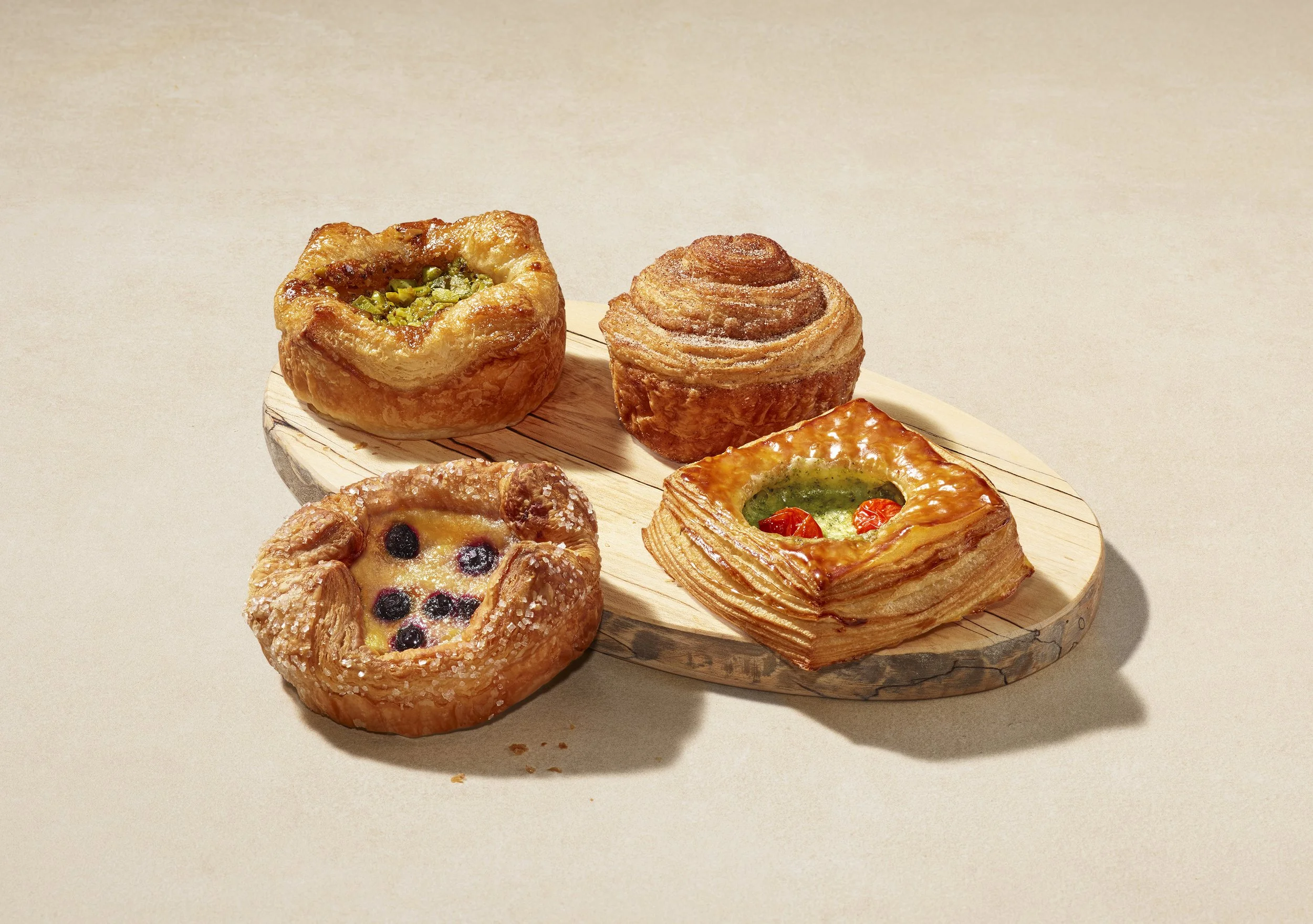
We began with a comprehensive analysis of the existing menu through four lenses: brand fit, guest relevance, financial performance, and operational feasibility. This allowed us to identify which products to retain, optimize, or retire. We also uncovered opportunities for innovation in underdeveloped areas such as savory pastries, afternoon snacks, and hearty vegetable-forward offerings. The resulting portfolio balanced familiar favorites with differentiated new products designed to support growth and strengthen brand identity.
How did TCE ensure the new food program was operationally viable at scale?
A critical requirement was creating a food platform that could be executed consistently across a nationwide footprint. After establishing a clear food program identity, TCE developed a distribution strategy and worked closely with supplier partners to bring concepts to life. Every item was evaluated for operational fit, scalability, and manufacturing feasibility, ensuring the final menu could deliver premium quality while supporting system-wide execution.
How did TCE validate the final menu?
TCE used a TURF analysis to evaluate and optimize the menu portfolio before development began. This process helped ensure the final assortment addressed key guest needs, filled strategic menu gaps, and maximized overall portfolio effectiveness. The validated menu was then taken through supplier collaboration and benchtop development to create products that delivered against both the brand vision and operational requirements.
What did the food program need to achieve for Peet’s?
The food program needed to become a natural extension of Peet's craft coffee leadership. Rather than simply filling dayparts, the menu had to communicate premium quality, thoughtful sourcing, and elevated taste experiences. Every product was designed to reinforce the brand's identity while creating new reasons for guests to visit across breakfast, afternoon, and grab-and-go occasions.

What were the business outcomes?
The phased rollout has already delivered strong results across multiple categories. Peet's revamped grab-and-go cooler program generated a 20% year-over-year sales increase, while newly launched warm food items drove a 13.5% increase in net sales and a 5.6% increase in units per day. Bakery testing in Southern California delivered a 10.2% net sales uplift, with the Danish category growing more than 300% versus the prior year, providing strong validation ahead of a national rollout.